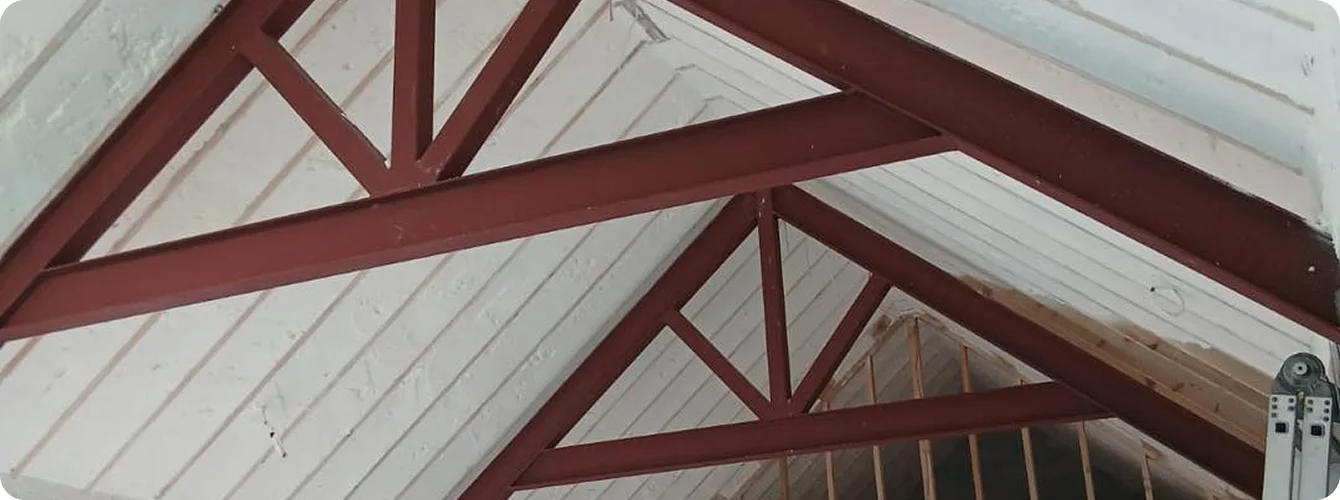
Agricultural Building Insulation

Agricultural Building Insulation

Agricultural Building Insulation — The High-Performance Solution for Warm, Dry & Energy-Efficient Farm Structures

Agricultural building insulation using advanced spray foam technology is the premium choice for farmers, equestrian facilities, rural enterprises, and agri-storage units that require superior temperature control, moisture protection, and long-lasting structural integrity. Designed to bond directly to steel, timber, concrete, and cladding surfaces, spray foam forms a continuous, rigid layer that eliminates draughts, prevents condensation, and greatly improves thermal performance. Ideal for farm sheds, milking parlours, grain stores, barns, poultry houses, stables, workshops, potato stores, and general agriculture units, spray foam insulation ensures reliable protection against Ireland’s cold, damp, and highly changeable weather conditions. With its airtight seal, high insulating value, and exceptional moisture resistance, spray foam is the most effective solution for keeping agricultural buildings warm, dry, and efficient throughout the year. Using fully certified European and British foam systems, our installation guarantees durability, strong adhesion, and long-lasting performance on vertical, horizontal, and overhead surfaces found in farm environments.

Key Advantages of Agricultural Spray Foam Insulation

Superior Thermal Control

Delivers excellent insulation performance, stabilising indoor temperatures to create an energy-efficient environment for livestock, produce, and machinery.

Powerful Anti-Condensation Barrier

Prevents the build-up of moisture and internal dripping commonly found in metal farm buildings, protecting equipment, animals, and stored materials.

Durable Structural Bonding Strength

Adheres strongly to steel, timber, and concrete surfaces, reinforcing the building structure and reducing vibration and air leakage.

Ideal for Livestock, Storage & Farm Operations

Creates a healthier, more controlled environment for animals, improves productivity in work areas, and protects sensitive agricultural produce.

Professional Agricultural Installation Done Right

We supply and install top-grade spray foam insulation systems certified by leading European and British authorities, ensuring maximum performance and safety in agricultural settings. Our experienced team specialises in farm sheds, barns, stables, parlours, storage units, and all types of agricultural buildings. Using high-reactivity, closed-cell foam, the material bonds instantly to all types of surfaces — whether applied on ceilings, cladding, walls, or floors — creating a tough, seamless insulation envelope. Every installation includes a full assessment of ventilation, condensation risks, livestock protection needs, and compliance with agricultural standards to guarantee long-term reliability and building health.

01

Livestock Sheds & Calf Houses

Provides stable temperatures and eliminates cold draughts, promoting healthier living conditions for animals.

02

Grain, Feed & Produce Stores

Protects stored crops and materials from moisture, mould, and temperature fluctuations.

03

Milking Parlours & Dairy Buildings

Improves hygiene, reduces condensation, and ensures a more controlled environment for dairy operations.

04

Barns, Hay Stores & Equipment Rooms

Enhances thermal resistance, prevents dampness, and protects machinery, tools, and feed.

05

Poultry Houses & Stable Blocks

Keeps animals warm in winter, cool in summer, and safe from moisture-related issues.

06

Anti-Moisture & Vapour Protection

Stops vapour intrusion, condensation drips, and long-term structural deterioration in steel and timber agri buildings.

07

Long-Term Farm Structure Protection

Strengthens the building fabric, reducing the impact of harsh weather, humidity, and rapid temperature swings.

08

Certified Installers Nationwide

We provide professional, fully compliant agricultural insulation services across Offaly, Dublin, Tipperary, Westmeath, Clare, Laois, and surrounding regions.
Ready to Improve Comfort & Reduce Energy Costs?

Get Your Free Property Assessment & Insulation Quote

Our team will visit your property, assess your current insulation levels, identify areas of energy loss, and provide a clear, transparent quotation. No pressure. No obligation. Just expert guidance and real savings you can feel.

Get Your Free Consultation

FAQ

Spray Foam Insulation FAQs

Find answers to common questions about spray foam insulation.

The R-value depends on the type of spray foam used:

Open-cell spray foam: R-3.5 to R-4 per inch

Closed-cell spray foam: R-6 to R-7 per inch
Closed-cell foam offers almost double the insulation performance per inch, making it ideal for roofs, walls, and external applications.

Yes. Open-cell spray foam is especially effective for sound reduction because of its soft, flexible, and air-absorbing structure. It helps reduce airborne noise such as voices, TVs, traffic sound, and machinery.
Closed-cell foam also reduces noise but is primarily designed for thermal performance and structural strength.Closed-cell foam also reduces noise but is primarily designed for thermal performance and structural strength.

Closed-Cell Foam:

Higher R-value (R-6 to R-7 per inch)

Acts as a vapour barrier

Adds structural strength

Best for roofs, external walls, metal buildings, sheds, and commercial units

Open-Cell Foam:

Lower R-value (R-3.5 to R-4 per inch)

Excellent soundproofing

More cost-effective

Ideal for attics, interior walls, ceilings, and residential spaces

Each type is chosen based on the building requirements and conditions.

Yes. There are two primary types:

  1. Open-Cell Spray Foam

    • Soft, breathable, expands greatly

    • Best for attics, ceilings, residential interior spaces

  2. Closed-Cell Spray Foam

    • Dense, rigid, moisture-resistant

    • Suitable for roofs, walls, floors, sheds, containers, and commercial/agricultural buildings

Both types use NSAI-certified, Agrément-approved products.

No. Spray foam insulation should only be installed by trained, certified professionals.
The equipment, chemical handling, ventilation requirements, and correct application techniques are specialised and must meet Irish building regulations.
DIY installation can lead to health risks, poor performance, or damage to the property.

Have Any Other Question?

Get in Touch, We're Here to Help

We’re available to answer your questions and provide expert advice.