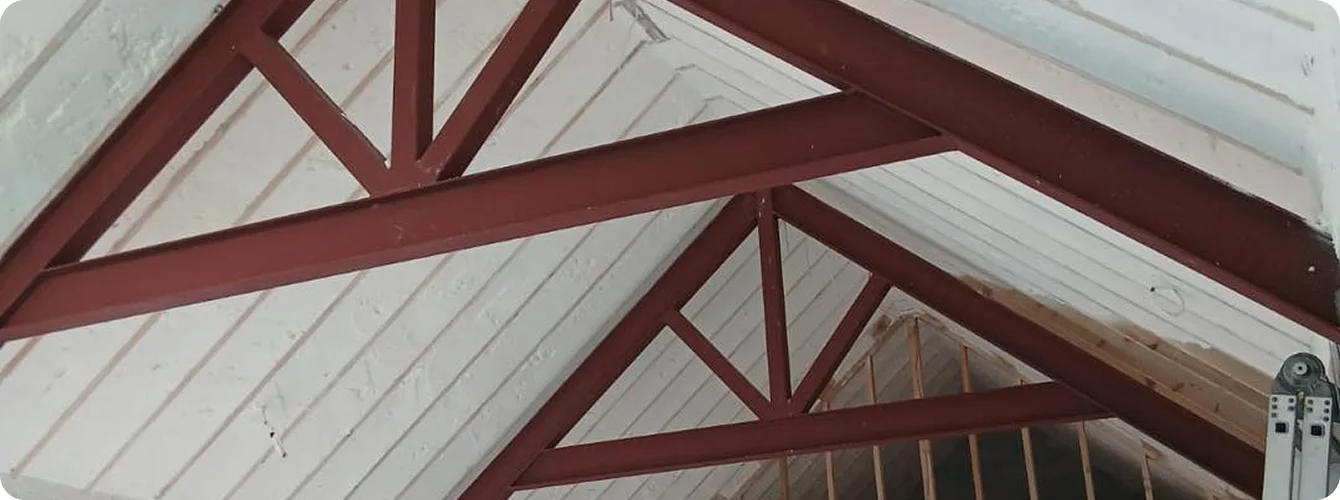
Attic Insulation

Attic Insulation

Best Attic Insulation – Open Cell Spray Foam for Maximum Warmth & Energy Savings

Open cell spray foam insulation is widely recognised as the best attic insulation for Irish homes. Unlike traditional materials, it expands to fill every gap and crevice, creating a complete airtight seal that stops heat from escaping through the roof. With Ireland’s long, cold winters and the continued rise of home heating costs driven by increasing Carbon Tax, attic insulation has never been more important. Instead of relying on extra clothing or struggling with an uncomfortable home, proper attic insulation allows you to drastically cut heat loss and take control of your energy bills. By professionally insulating your attic, you immediately improve warmth, comfort, and energy efficiency. You also reduce your personal carbon emissions, supporting national climate goals while lowering your long-term heating expenses.

Why Insulate Your Attic?

Lower Heating Bills

Open cell spray foam reduces heat loss and improves energy efficiency, meaning your heating system works less — saving money every year.

More Comfortable Living

An airtight seal eliminates draughts, cold spots, and heat escape, keeping your home warm throughout the winter.

Better for the Environment

Reduced energy use means fewer greenhouse gas emissions, directly supporting Ireland’s climate targets.

Free Quote

Call us on 057 917 2717 for a Free Quote and Start Saving on Your Energy Bills Today!

What Is the Best Type of Insulation for an Attic?

Spray foam insulation is considered the best-performing attic insulation because it forms a continuous airtight layer. Traditional insulation types — such as fibreglass — cannot provide an airtight seal and may cause respiratory issues due to loose particles. Spray foam delivers superior comfort, better health protection, and long-lasting performance.

01

Real SEAI Case Study

A homeowner with a 150m² detached home replaced 100mm of fibreglass with spray foam insulation. Result: a warmer home and over €200 saved every year on heating bills — proving spray foam’s long-term value. At Pro Spray Foam Insulations, we use EZero 500 (CPI Foam) and Synthesia Technology, both certified by the National Standards Authority of Ireland (NSAI) and awarded the respected Agrément Certificate for safety and performance.

02

Do You Need Attic Ventilation with Spray Foam?

Yes — building regulations require a 50mm ventilation gap between insulation and roofing felt unless the roof has been counter-battened. To achieve this safely, we use CPI Foam’s unique rigid breathable vent card. Installed 50mm from the roofing felt, it allows: Proper airflow Moisture control Timber breathability A continuous airtight seal It is also the only NSAI-tested vent card for Irish climate conditions, ensuring maximum safety and compliance.

03

Foam type

Open cell for residential homes Closed cell for commercial/industrial metal or concrete surfaces

04

Area size

Larger areas benefit from cost efficiencies.

05

Required insulation depth

Thickness varies depending on the required U-value.

06

Access conditions

Hard-to-reach attics, scaffolding, or cranes may affect pricing.

07

Ventilation Requirements

Irish building regulations require a 50mm air gap between roofing felt and spray foam. To achieve this, we use NSAI-tested breathable vent cards, which may influence the installation time and overall cost.

08

Transparent Pricing, Expert Assessment

Every property is assessed individually to ensure you receive: ✔ The right foam type ✔ Correct installation depth
Ready to Improve Comfort & Reduce Energy Costs?

Get Your Free Property Assessment & Insulation Quote

Our team will visit your property, assess your current insulation levels, identify areas of energy loss, and provide a clear, transparent quotation. No pressure. No obligation. Just expert guidance and real savings you can feel.

Get Your Free Consultation

FAQ

Spray Foam Insulation FAQs

Find answers to common questions about spray foam insulation.

The R-value depends on the type of spray foam used:

Open-cell spray foam: R-3.5 to R-4 per inch

Closed-cell spray foam: R-6 to R-7 per inch
Closed-cell foam offers almost double the insulation performance per inch, making it ideal for roofs, walls, and external applications.

Yes. Open-cell spray foam is especially effective for sound reduction because of its soft, flexible, and air-absorbing structure. It helps reduce airborne noise such as voices, TVs, traffic sound, and machinery.
Closed-cell foam also reduces noise but is primarily designed for thermal performance and structural strength.Closed-cell foam also reduces noise but is primarily designed for thermal performance and structural strength.

Closed-Cell Foam:

Higher R-value (R-6 to R-7 per inch)

Acts as a vapour barrier

Adds structural strength

Best for roofs, external walls, metal buildings, sheds, and commercial units

Open-Cell Foam:

Lower R-value (R-3.5 to R-4 per inch)

Excellent soundproofing

More cost-effective

Ideal for attics, interior walls, ceilings, and residential spaces

Each type is chosen based on the building requirements and conditions.

Yes. There are two primary types:

  1. Open-Cell Spray Foam

    • Soft, breathable, expands greatly

    • Best for attics, ceilings, residential interior spaces

  2. Closed-Cell Spray Foam

    • Dense, rigid, moisture-resistant

    • Suitable for roofs, walls, floors, sheds, containers, and commercial/agricultural buildings

Both types use NSAI-certified, Agrément-approved products.

No. Spray foam insulation should only be installed by trained, certified professionals.
The equipment, chemical handling, ventilation requirements, and correct application techniques are specialised and must meet Irish building regulations.
DIY installation can lead to health risks, poor performance, or damage to the property.

Have Any Other Question?

Get in Touch, We're Here to Help

We’re available to answer your questions and provide expert advice.